
23 min read
Fine-Tuning LLMs: When Prompting Is Not Enough
A practitioner's guide to LoRA and PEFT for domain-specific LLMs - with a hands-on project fine-tuning a model on French legal texts from the Légifrance dataset.
Computer Vision and NLP specialist writing about machine learning theory, deep learning experiments, AI in cybersecurity and healthcare.
Recent writing
A practitioner's guide to LoRA and PEFT for domain-specific LLMs - with a hands-on project fine-tuning a model on French legal texts from the Légifrance dataset.

In this tutorial, we apply Graph Convolutional Network (GCN) and Graph Attention Network (GAT) to detect fraudulent Bitcoin transactions on the Elliptic dataset, and compare their performances.

Most websites use JavaScript to make dynamic content, which makes it a valuable attack vector against browsers and other JS applications. Most malicious JS is obfuscated to hide its behavior. Here we explore static analysis approaches using NLP features and standard ML classifiers.

According to OWASP ratings, the problem of protection in the digital space continues to be extremely relevant. Here we consider actual challenges arising from the conjunction of machine learning and cybersecurity in areas such as IoT ecosystems, targeted APTs, fraud detection, ransomware, and adversarial attacks.
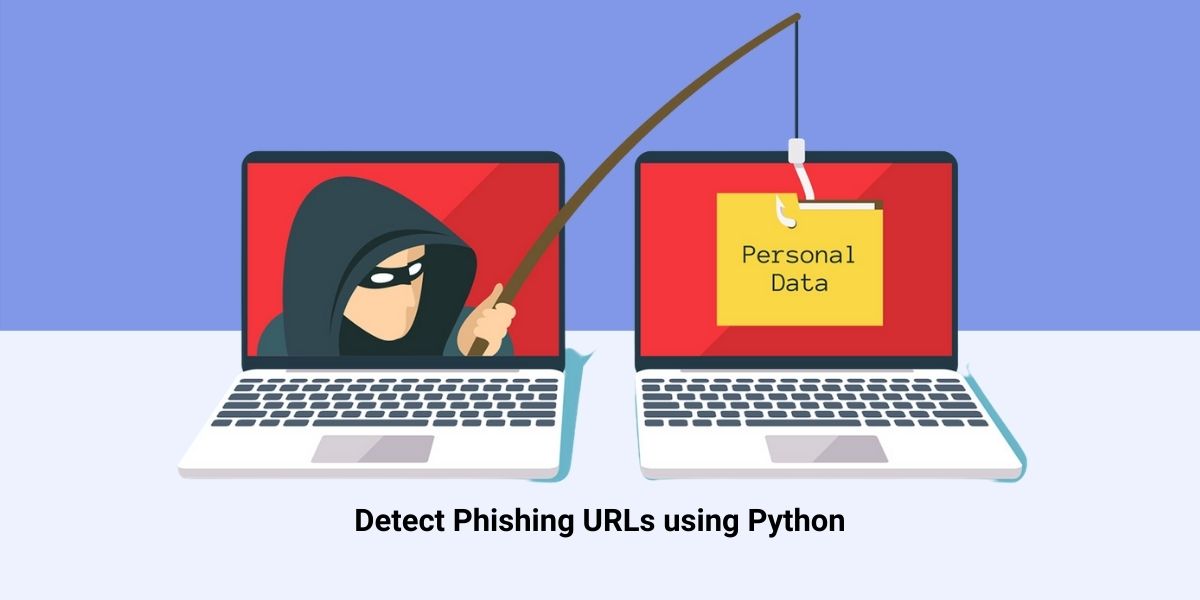
Phishing is a fraudulent activity that aims to steal user credentials, credit card and bank account information or to deploy malicious software on the victim's infrastructure. Here we discuss URL-based detection using standard ML approaches in combination with NLP features extracted from the URL.
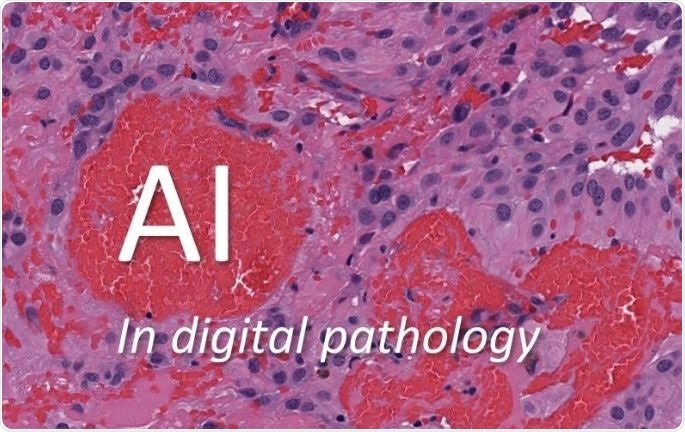
In this tutorial we consider colorectal histology tissues classification using ResNet-50 architecture and PyTorch framework. We train a CNN from scratch on 8 tissue classes and achieve 92% accuracy on the test set.